Museums · Theme Parks — the good explanation only happens on the guided tour
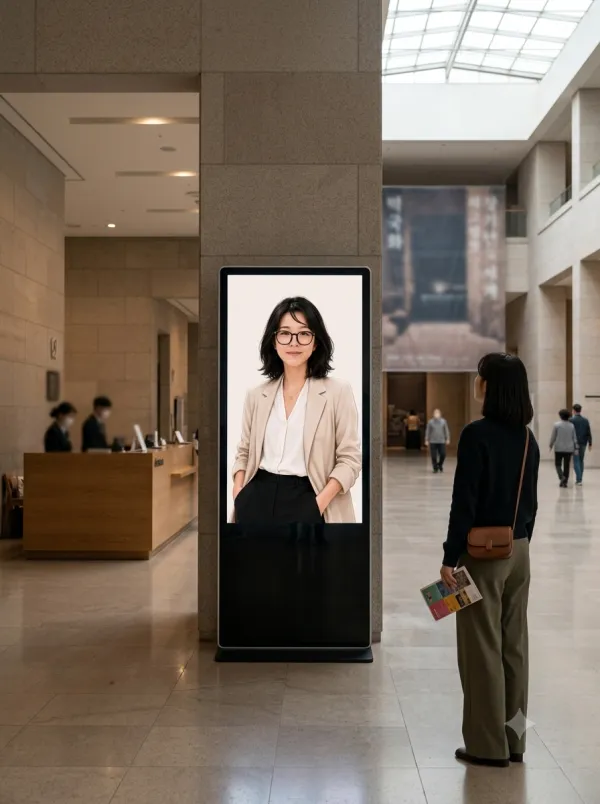
Everything a museum knows about its own collection is written on a card in eleven point type, and the visitor who would have loved to hear it walks past. MijA stands beside the piece and tells the story out loud, answers the follow-up question, and does it again for the next person without getting tired of the subject.
What goes wrong on this floor
- The guided tour runs twice a day in one language, and everyone who arrives at the wrong hour reads labels instead.
- An audio guide plays a recording. It cannot answer the question the visitor actually has, which is usually why rather than what.
- A school group of thirty arrives with two teachers, and the two of them become crowd control rather than educators.
How MijA actually responds
Why this industry needs on-premise
Museums and parks are full of children, and children are the visitors regulators are strictest about. Article 8 of the GDPR sets a higher bar for anything that processes their data, and in the United States COPPA does the same. MijA sidesteps the whole question by not building a visitor record at all. She sees that a person has approached and turns to face them. The audio and video are processed on the machine in the building and discarded. Nothing about a visitor, child or adult, is stored, sent out or used to build a profile.
Accessibility is the other reason cultural institutions look at this. The European Accessibility Act has applied since June 2025, and a wall label plus a touchscreen is a poor answer for a visitor who cannot see either. A guide you can simply talk to is a different kind of access. From 2 August 2026 MijA also states that she is an AI at the start of every conversation, as Article 50 of the AI Act requires.
How it is deployed
One MijA unit at the entrance for orientation and route planning, plus units beside the pieces that generate the most questions. Exhibit content comes from your own curatorial text, loaded locally, so a rotating exhibition is updated by replacing a file rather than retraining anything. Theme parks generally place her at the plaza and at the longest queue.