Retail — the question is always where, and there is never anyone to ask
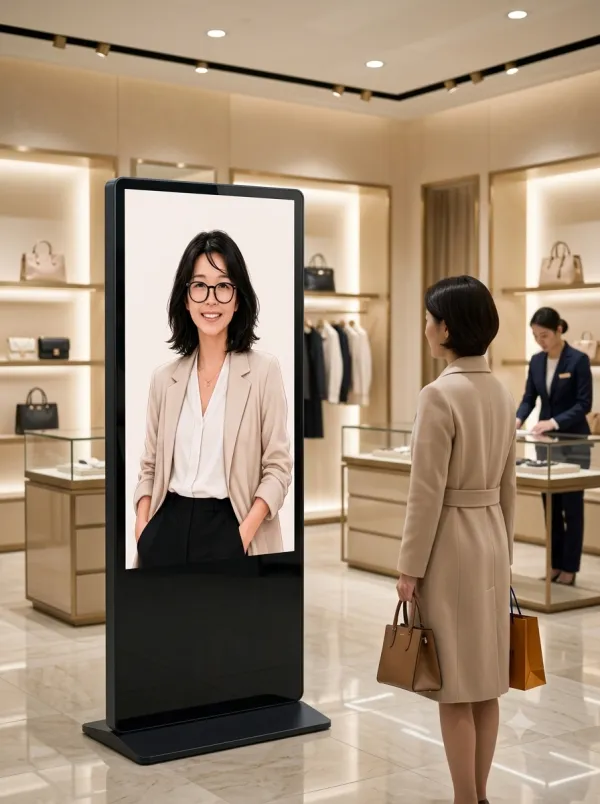
In a large store the most common sentence of the day is a version of where is it. The directory board answers it badly, staff on the floor are stocking shelves, and after hours there is nobody at all. MijA answers it properly, in whatever language the shopper opens with, and keeps answering it at two in the morning.
What goes wrong on this floor
- A shopper walks the wrong floor for ten minutes because the directory board lists a brand that moved last season.
- A tourist wants tax-free processing and cannot find anybody who can explain the paperwork.
- An unstaffed store at night has a screen that shows a phone number, and that is the whole customer service offer.
How MijA actually responds
Why this industry needs on-premise
Retail is the sector where in-store analytics has done the most damage to public trust, and shoppers now assume that a screen watching the aisle is recording them. MijA is built the other way round. She sees that a person has approached and turns to face them, and that is the extent of it. The video is processed on the machine in the store and discarded. Nothing about a shopper is stored, profiled or sent out, so there is no shopper dataset to disclose under the CCPA and nothing new to add to a GDPR record of processing.
The store side matters too. Anything that shares a network with a point of sale terminal is a PCI DSS question. MijA does not need to touch the payment network, and does not need an outbound internet connection to work. From 2 August 2026 the EU AI Act requires that shoppers are told when they are speaking to an AI, and MijA opens with that.
How it is deployed
One MijA unit at each main entrance and one at the escalator core on the busiest floor, fed from your own tenant directory so a moved shop is corrected once. Unstaffed night operation runs on the same unit with no change. Convenience formats use a single counter-side unit instead.